Industry News
SELECTED ITEMS OF INTEREST TO THE MEDIA COMMUNITY
Rights, robots, and royalties: Navigating legal questions and generative music
March 1, 2026
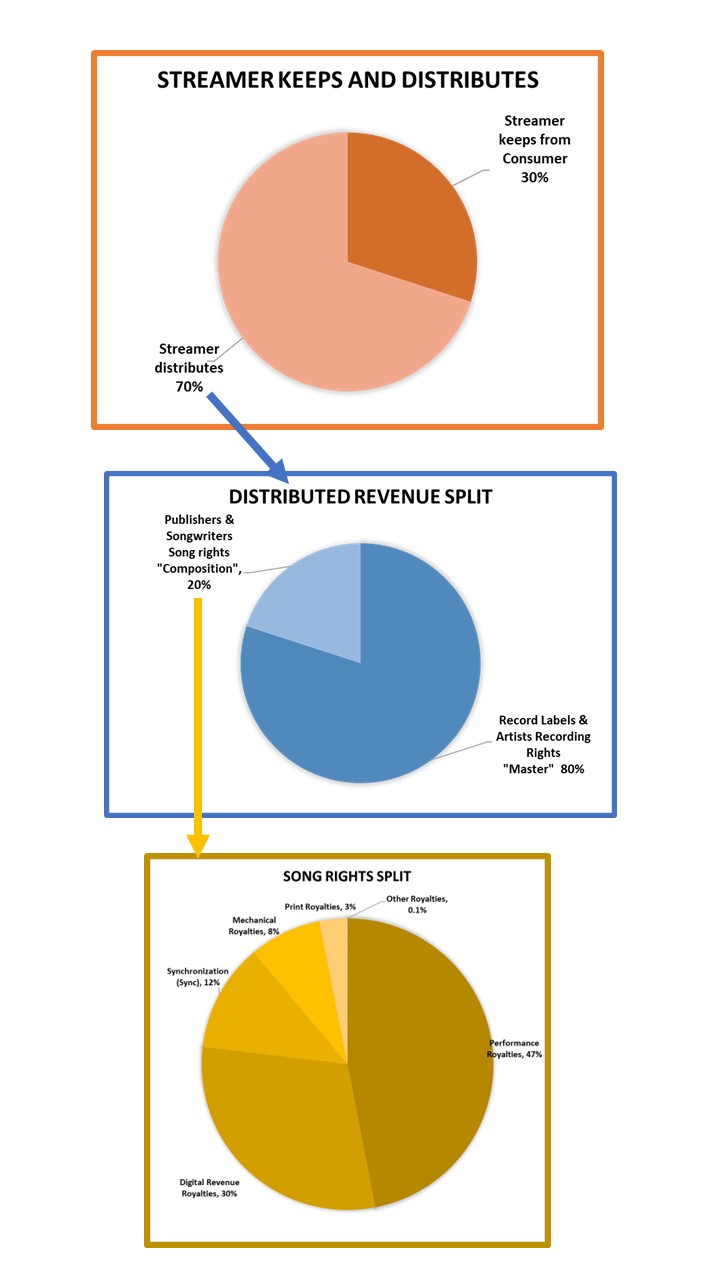
The legal and industry disputes surrounding music and generative AI make your eyes cross. And it will get worse. The excellent summary published by the music business consultancy, Complete Music Update (CMU) explains the basics and why we will see continued intense litigation and lobbying. They “assure” us that the result will be even more complex licensing deals between music labels and AI companies.
The issues can be divided into input and output disputes.
Legal Questions on the Input. Training AI models with existing music files to create a training dataset.
- Licensing vs. fair use: AI companies often argue that training is covered by "fair use" (in the US) or "text and data mining" (TDM) exceptions, while the music industry insists that these companies must secure permission and pay fees to rights owners before making any copies.
- The sourcing of data: A significant legal distinction is emerging regarding where data is obtained. A recent US ruling suggested that training might be fair use if the data is sourced from legitimate copies, but not if it is downloaded from piracy sites.
- Settling lawsuits out of court: Rather than waiting for court rulings, major labels like Universal and Warner are beginning to settle lawsuits and enter licensing deals with AI platforms like Suno and Udio.
Legal Questions on the Output. New content—audio, lyrics, or vocals—that the AI generates after being trained.
- Infringement by design or accident: When an AI outputs an existing protected work (like a specific song's lyrics) or a clear adaptation, AI companies often claim these are the result of bugs rather than intentional design and say future "guardrails" will be the solution.
- Digital replica rights: Because there is no copyright in a human voice itself, the industry is pushing for new "digital replica" or "publicity rights" (such as the ELVIS Act in Tennessee) to prevent AI from imitating a specific artist's voice or likeness without consent.
- Creator consent and transparency: A major internal industry dispute is brewing over whether labels must get permission from individual artists and songwriters before opting their music into massive AI licensing deals.
- Revenue splitting: There is currently no transparency on how AI money will be divided. It remains unclear if it will follow the traditional 80/20 streaming split between labels and publishers or the 50/50 split common in synchronization (film/TV) deals.
To read the full detailed article, go to Music and AI: 2025’s developments that will shape 2026’s disputes. To see the source intel on U.S. royalty splits go to Mordor Intelligence's Music Publishing Market Size & Share Analysis - Growth Trends and Forecast (2026 - 2031) #managementconsulting #musicrights #musiclabels #mediastrategy


